Tanzeel Insights (4): Getting to Know Your Student
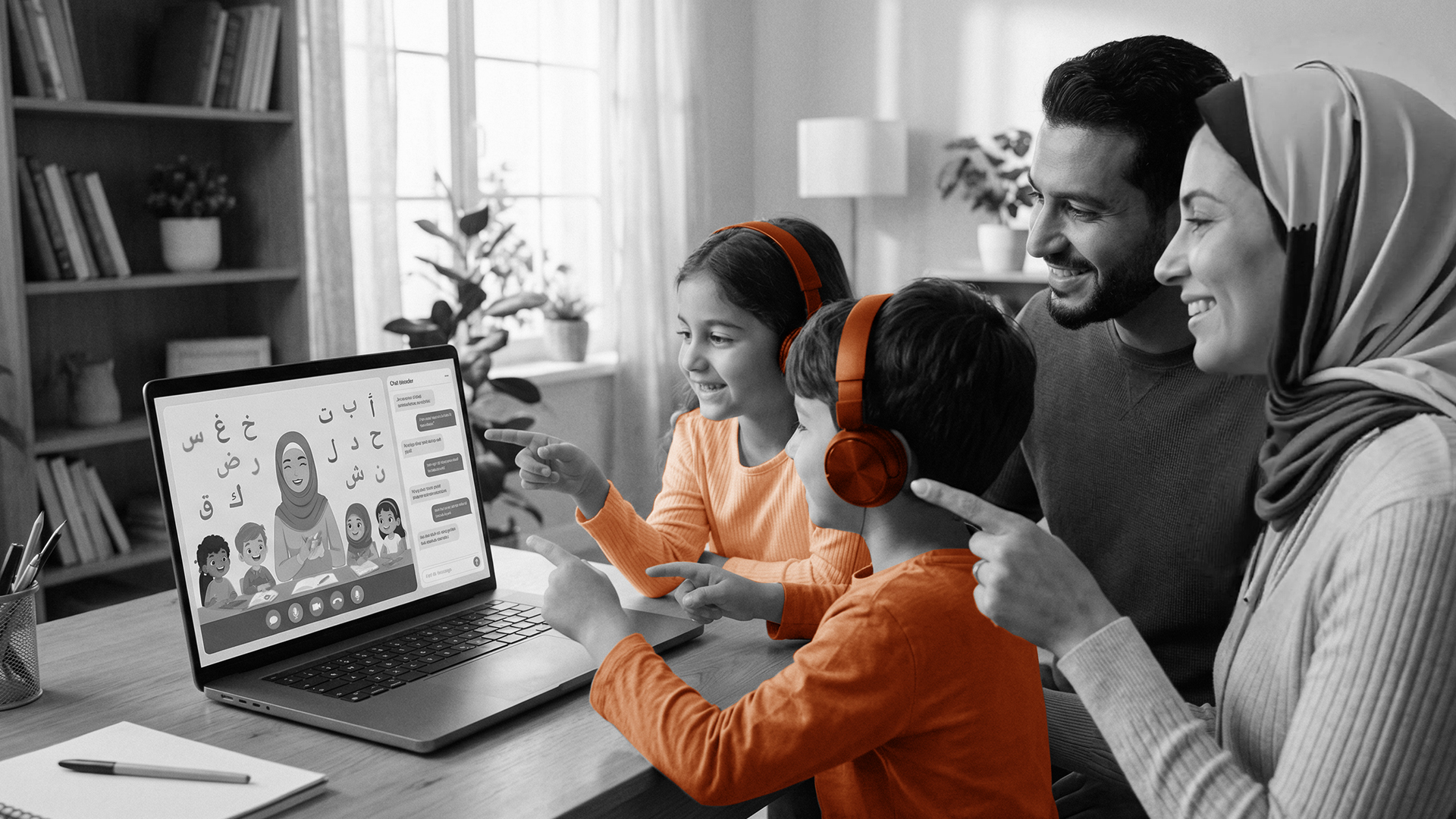
This article investigates why Qur’an teachers need to get to know their students and how to accomplish this task.

Getting to Know Your Student
In this series of articles, we share Tanzeel's insights on teaching the Qur’an to non-Arabic speakers online.
This article investigates why Qur’an teachers need to get to know their students and how to accomplish this task.
Why is it Important to Know Your Students?
Knowing students deeply allows Qur’an teachers to personalize their online classes accordingly, tailoring content to their different needs for better engagement and interaction. Teachers need to understand the age, personality, motivations, interests, learning goals, learning needs, and even the fears of their students, as this is a prerequisite for planning successful and beneficial classes. In this regard, it is essential in different respects:
Enhancing Engagement
Awareness of students’ motivations and needs fosters rapport, making students feel supported and motivated to participate openly.
It enables empathy during emotional moments, strengthening faith and worship habits tied to Qur’anic study. Qualified teachers analyze needs to create relevant plans, boosting comprehension and identity-building.

Improving Outcomes
Personalized teaching reduces frustration, improves Tajweed accuracy, and encourages self-directed learning outside class.
It promotes critical thinking and retention by connecting verses to students' lives, vital for non-Arabic speakers. Overall, it leads to confident recitation, deeper understanding, and spiritual growth in online Qur’an sessions.
How can Teachers Know their Students?
Teachers can get to know their students through structured interactions, assessments, and ongoing communication, especially in online Qur’an classes for non-Arabic speakers.
During the Trial:
Starting from the trial class, the teacher can get to know the level and proficiency of the student in addition to their character, motivations, and interests. During the first trial, the teacher should encourage the students to open up and speak about themselves so they can get to know them well. Teachers should also ask their students enough questions to help them understand who they really are.
During the Classes:
Teachers should observe their students well during lessons. They should note recitation struggles, emotional responses, and participation to adapt teaching dynamically. They can also make use of interactive tools like quizzes, videos, and forums to track progress and build rapport.
Creating Rapport:
Teachers should also seek to create rapport with their students by creating a positive environment with ice-breakers, empathy, and positive reinforcement to make students comfortable sharing their own information. On the other hand, this rapport will keep the teachers closer than ever to their students' minds and souls, which facilitates the learning process.

Frequently Asked Questions
Why must Qur’an teachers know their students well?
It enables personalization of lessons to match age, personality, motivations, learning goals, needs, and fears, fostering engagement, empathy, and successful classes.
How does knowing students enhance engagement?
Awareness of motivations builds rapport, supports emotional moments, and motivates open participation, strengthening faith and Qur’anic worship habits.
What outcomes improve from personalized teaching?
It reduces frustration, boosts tajweed accuracy, encourages self-directed learning, promotes critical thinking, retention, confident recitation, and spiritual growth.
How can teachers learn about students during trials?
Encourage students to share about themselves, ask questions about proficiency, character, motivations, and interests to gauge levels early.
What in-class methods help teachers know students?
Observe recitation struggles, emotions, and participation; use quizzes, videos, and forums to track progress and adapt dynamically.
How does rapport-building aid understanding?
Ice-breakers, empathy, and positive reinforcement create a positive environment, drawing students closer and easing access to their thoughts for better learning.
By/ Dr. Ahmed Aly Zahran




%201.png)