Tanzeel Insights (6-2) How to Teach Students with Learning Difficulties in Online Qur’an Classes (Part Two)
In this article, we continue exploring the practical strategies and insights for teaching the Qur’an to students with learni

Introduction
In this series of articles, we share Tanzeel's insights on teaching the Qur’an to non-Arabic speakers online.
In the previous article, we discussed three main strategies related to the best practices in teaching students with different learning difficulties, including being patient, personalizing the learning experience, and breaking down complex tasks. In this article, we continue exploring the practical strategies and insights for teaching the Qur’an to students with learning difficulties.
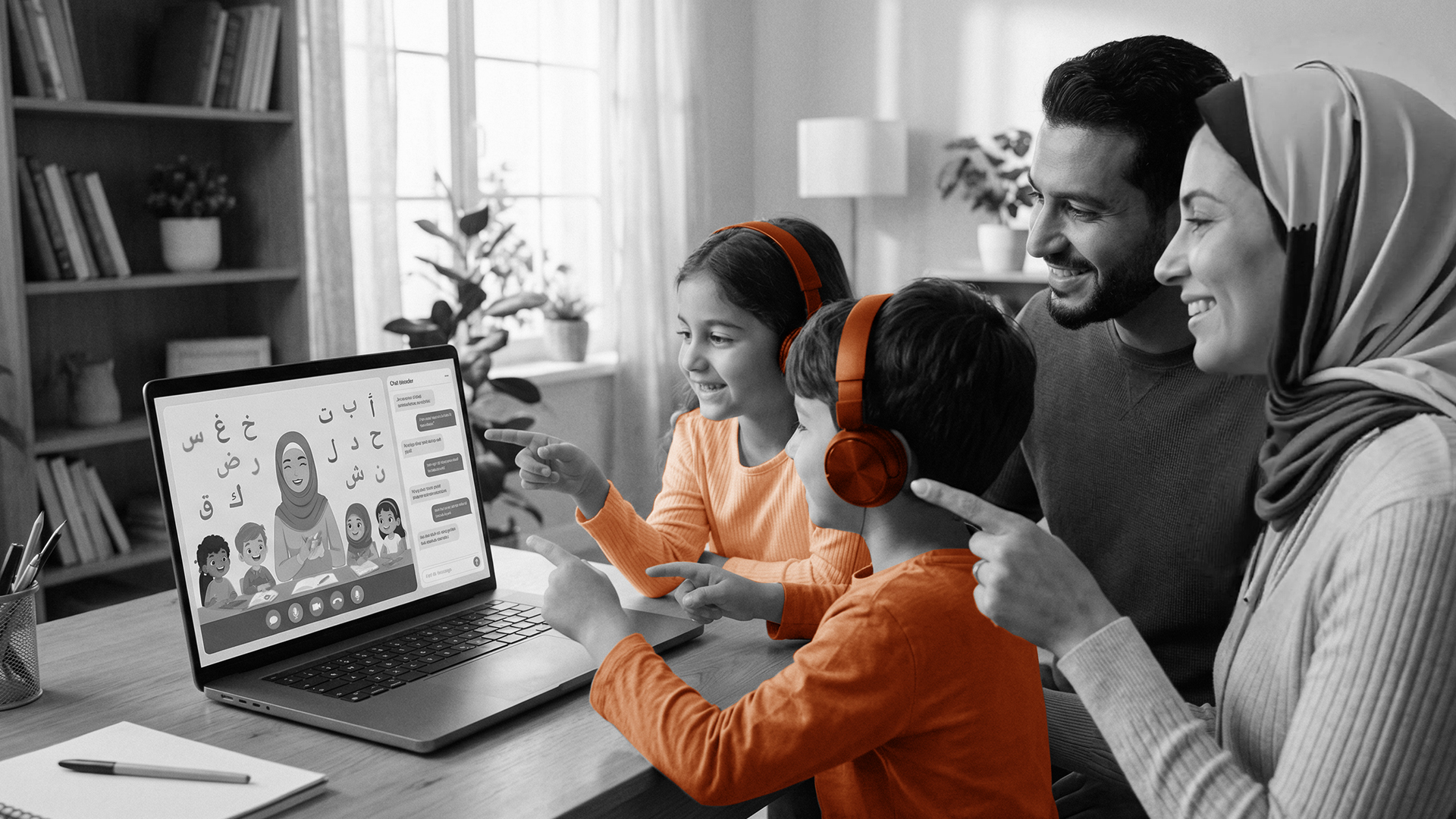
4. Use Technology you are in the 21st century!
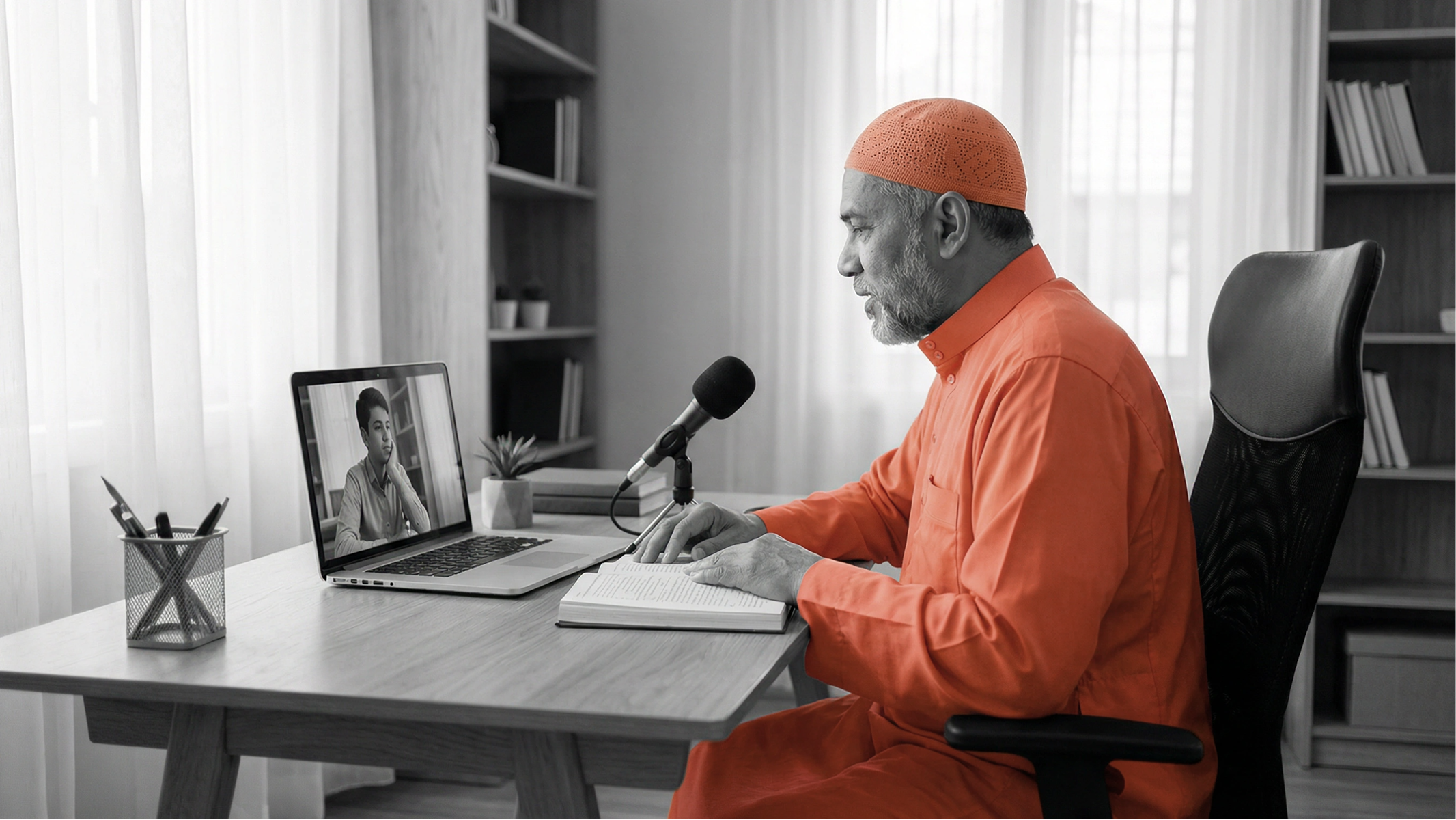
One advantage of online Qur’an classes is the accessibility of technological tools that can accommodate diverse learning needs. A Qur’an teacher should be able to use technology efficiently in the classroom.
Effective strategies include:
• Screen annotation: Highlighting words in real-time as they are recited, helping students with tracking difficulties follow along.
• Recording and playback: Allowing students to hear their own recitation, which can be more effective than immediate correction for some learners.
• Interactive apps for practice: using apps and games that provide repetitive practice and drilling, this is particularly effective for students with ADHD.
• Using an interactive whiteboard: This is important to keep the student focused. Most importantly, it should be used during the lead-in to share the class structure/ agenda with the student at the very beginning of the class; this can reduce anxiety for students who need predictability.
At Tanzeel, we encourage our teachers to find which strategies work best for each student. Some learners with autism may respond very well to melodic recitation (Maqamat), while others with auditory processing disorders may need to see the words simultaneously with hearing them.

5. Build a Partnership with Parents.
For students with learning difficulties—particularly children—the Qur’an teacher is only one part of the learning cycle. Parents understand their child's fears, motivators, and successful strategies more than anyone else. Therefore, building a collaborative partnership between the teacher and the parents is essential for a better understanding of the student’s learning needs and styles.
This partnership involves:
• Learning background: Understanding the full context of the student's learning profile before the first class.
• Feedback at the end of the class: Brief updates after lessons, noting what worked well and what was challenging.
• Homework strategies: Providing parents with specific, manageable practice techniques that align with the student's capabilities and attention span.
• Maintaining mutual understanding: Like helping parents understand that their child's pace is valid and that spiritual growth is not measured by speed of memorization. Also, it is important to help the parent adjust their expectations accordingly without exaggeration.
At Tanzeel, we have our own support team that facilitates communication between teachers and parents through different channels. For example, the registration team collects the learning background about students to be shared with teachers before the first trial, and our teachers are trained to communicate their feedback effectively. We understand that when parents and teachers are on the same page, students with learning difficulties feel safe and supported on all sides.
6. Connection Over Perfection.
Possibly the most vital idea a Qur’an teacher must embrace when working with students who have learning difficulties is redefining success. For these students, the aim is not perfect recitation or quick memorization—though these may develop over time—but instead a sincere, loving, and ongoing connection with the Qur'an.
This means:
- Prioritizing understanding and reflection (Tadabbur) over mechanical perfection of recitation and memorization.
- Celebrating the effort and intention of the student, even if the performance is not perfect.
- Teaching the student that Allah values sincerity and struggle, not just polished performance. The teacher should stress the fact that the student is getting more reward (Ajr) for their struggle while learning.
- Making sure that the student never feels that their learning difficulties make them "less than" in the eyes of Allah or their community.
At Tanzeel, we have witnessed students with severe dyslexia and ADHD disorder who, after years of patient learning the Qur’an, develop a wonderful relationship with the Book of Allah that is deeper than many fluent reciters. Because every word was fought for, every verse was treasured, and the journey itself became a testament to their commitment and achievement.
Conclusion: Every Student is a Trust and a gift from Allah.
The Prophet Muhammad ﷺ said: "Whoever relieves a believer of a hardship from the hardships of this world, Allah will relieve him of a hardship from the hardships of the Day of Resurrection." [Muslim]
Teaching students with learning difficulties in online Qur’an classes is not merely an educational challenge—it is a spiritual opportunity to demonstrate the true character of Islam practically. When a Qur’an teacher adapts their methods, extends their patience, and celebrates the unique journey of a differently-abled student, they embody the mercy that the Qur'an commands us to show one another.
At Tanzeel, we are committed to making sure that learning the Qur’an is accessible to every human being who seeks it. Our teachers are trained to see potential where others see limitation, to find pathways where others see walls, and to nurture faith in every heart, regardless of how that heart processes information.
Do you or someone you know have learning difficulties and hesitate to begin their journey with the Qur'an? Contact Tanzeel today for a personalized consultation. Our Qur’an teachers are ready to meet you exactly where you are and walk with you toward the light of the Qur'an.

Frequently Asked Questions (FAQ)
Will a slower pace of learning the Qur’an discourage my child?
It shouldn't, provided we redefine success. We emphasize Tadabbur (reflection) and the beauty of the effort itself. By celebrating "micro-progress"—like perfecting a single difficult letter sound—we show the student that Allah rewards the struggle of learning just as much as the final result.
Can I speak to the Qur’an teacher about my child’s specific diagnosis before classes start?
Yes, we highly encourage it. Building a partnership with parents is one of our core pillars. We recommend an initial consultation to discuss what strategies have worked in school or other therapy settings, so your child’s online Qur’an classes are tailored from the very first minute.
Are Tanzeel’s teachers specifically trained for learning difficulties?
Many of our teachers have extensive experience teaching students with learning difficulties. Our matching system specifically pairs students with a Qur’an teacher who understands their specific learning profile, whether it is autism, ADHD, or processing disorders.
Dr. Ahmed Aly Zahran



%201.png)