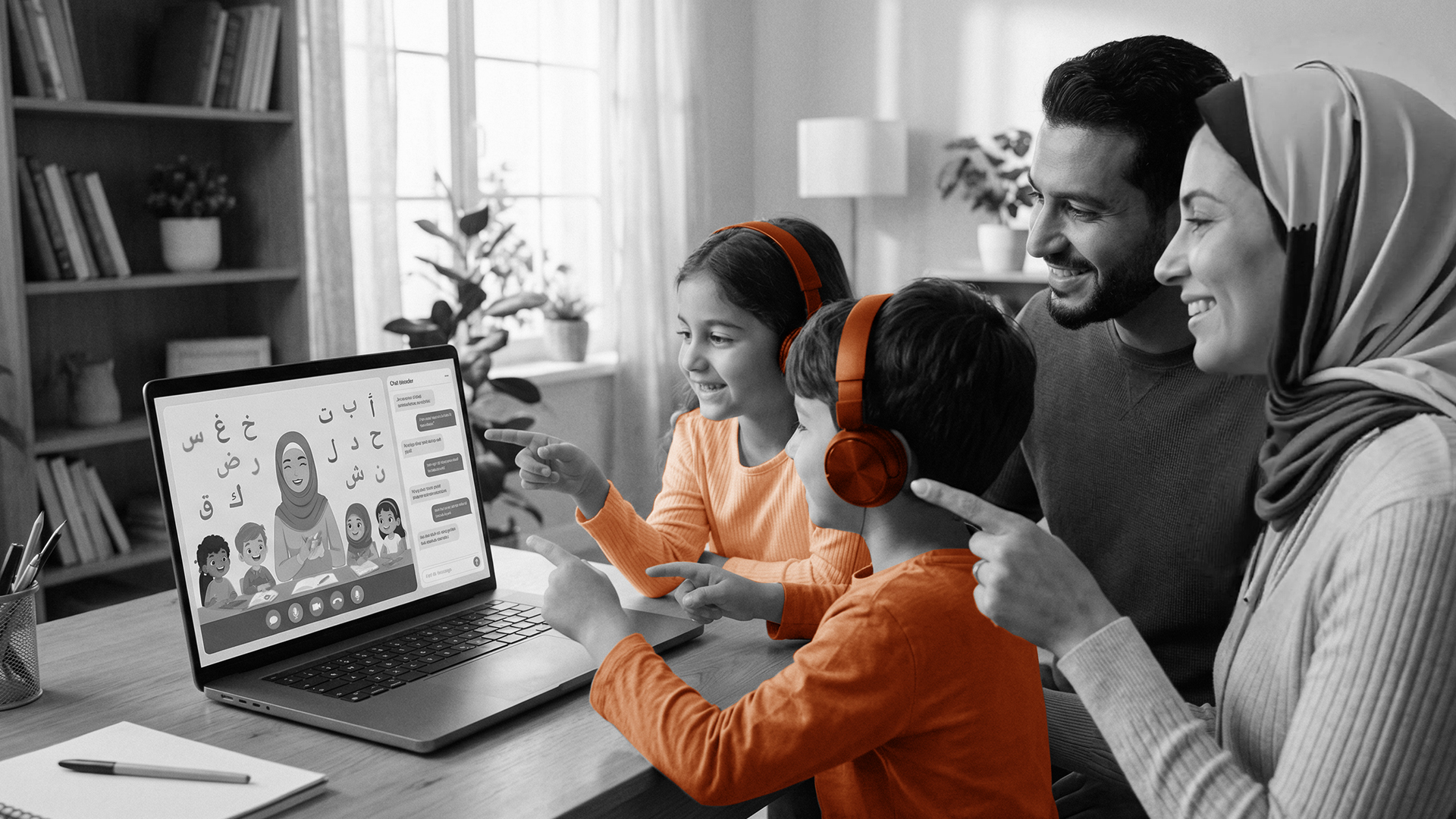
Learning the Qur’an: The Online Model: The Solutions (3): The Role of the Parent
This article focuses on investigating the role of parents in the learning process in the post-AI era.

The Solutions (3): The Role of the Parent
After discussing the role of the Qur’an teacher, both theoretically and practically, by examining the teacher’s model in Tanzeel in the previous article, this article focuses on investigating the role of parents in the learning process in the post-AI era.
Is it just about a teacher-student relationship?
Indeed, the teaching process is primarily a teacher-student relationship; however, parents play a fundamental role in maintaining and enhancing this relationship. One should not overlook the importance of parenting in the learning process. For young children, parents motivate students, monitor their learning, and supervise the learning process. They act as the connection between teachers and students throughout the different stages of the teaching process.
What should parents be responsible for?
Communication is the magic word here! Parents should be able to communicate effectively with both teachers and students to facilitate the learning process. From the first day of enrollment, parents should discuss the learning objectives and what they want their students to achieve. These objectives need to be realistic and based on the student’s capacity and learning background. Parents should not have unrealistic expectations for what their children should achieve. In addition to discussing learning objectives, parents should discuss their children’s learning styles, fears, and difficulties. As a starting point, this step is crucial to the initial encounter between the teacher and the student. It helps the teacher in the assessment and diagnostic process, as well as in finalizing learning goals and methodology for the student.
After the student is enrolled, parents have the responsibility of monitoring their children’s progress. This can happen by following up on the student’s reports and chatting with the teacher at the end of the class. Such communication is essential to make sure that the learning process is going according to the plan and that there are no issues that require the parent’s intervention. For example, the teacher might consider changing the teaching plan with the student for some reason, and he wants to discuss this with the parent. Moreover, the parent may need to discuss the student’s progress level or his attendance and attention during the class. Another reason that makes this kind of communication indispensable is the way it helps to correct the student’s behavior and attitude during classes. For instance, a teacher complains that the student is not attending on time, and he keeps his camera switched off during the class. After communicating this to the parent, the student became more committed and disciplined. This is a simple example of the effectiveness of this kind of communication.
On the other hand, parents should maintain a constructive form of communication with their children, which aims at keeping them motivated and interested in continuing their learning journey. They should maintain and enrich this communicative space, not just for their Qur’an classes but for enhancing their relationship with their children in every possible aspect.

How could this role be challenging in the post-AI era?
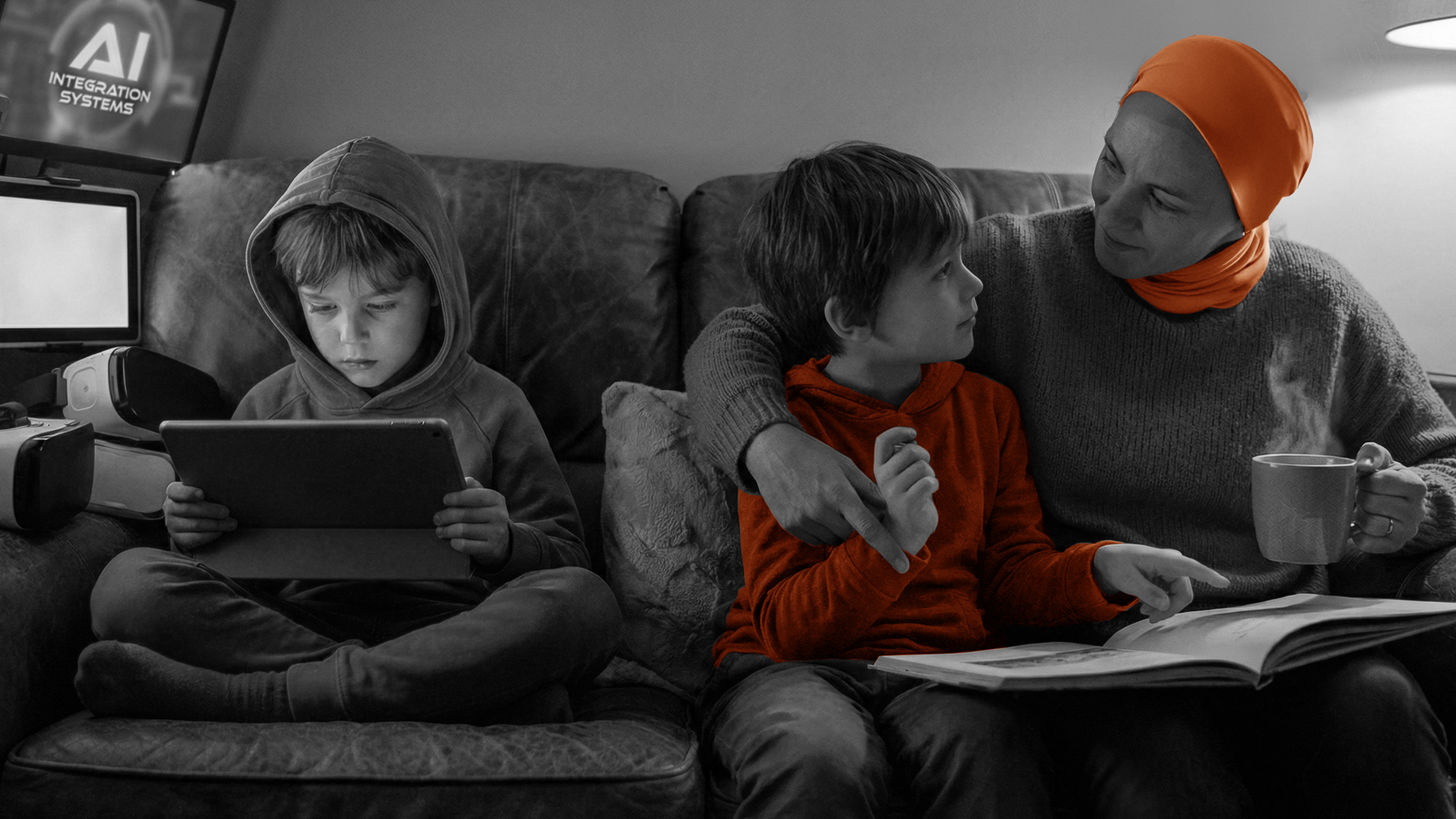
All of the above manifestations of parent-teacher and parent-student relationships are also true for the pre-AI era. So, how could a parent’s role be different in the post-AI era we are living in? There is no doubt that a parent’s role has been rather challenging and more crucial than before due to the technological boom and the increasing advances in the use of AI in daily life.
The increasing distractions have made it difficult for students to spend more time on studying and learning. In this regard, parents should exert more effort in monitoring their children. They should be more cautious about what their children watch and follow on such online platforms.
Secondly, parents should have the technological capacity to monitor their children properly. They should seek to manage the technological gap between their generation and the post-AI generation.
And next, parents should be able to understand and speak the language of such a generation. This means that they should be able to communicate with them effectively. The post-AI generation has a wide variety of knowledge channels as well as easy access to information. This makes communication and persuasion rather challenging when it comes to the parent-child context. Therefore, parents need to be prepared for such a change and be equipped with logic, empathy, and patience to manage discussions.
And finally, parents should support their children emotionally more than ever. One thing that AI can never own is the human emotional tie and empathy. Parents need to enhance this emotional connection with their children, as it is the only thing that would save them from machines!
Frequently Asked Questions
1- Why is the parent’s role important in Qur’an learning?
Parents are vital in maintaining the teacher-student relationship. They monitor progress, encourage discipline, and keep students motivated. For children, especially, parental involvement ensures a supportive environment that enhances learning outcomes.
2. What should parents do before their child starts Qur’an classes?
Before classes begin, parents should discuss the student’s goals, learning style, and possible difficulties with the teacher. This initial communication helps teachers plan individualized lessons based on the student’s strengths and challenges.
3. How can parents monitor their child’s progress effectively?
Parents can follow up by reading progress reports, talking to teachers after sessions, and addressing behavioral issues when necessary. Simple check-ins help ensure classes remain productive and aligned with learning objectives.
4. How should parents communicate with their children about learning?
Parents should maintain open, encouraging, and empathetic communication. They should celebrate progress, listen to concerns, and keep the learning process enjoyable to nurture a genuine love for Qur’an study.
5. What challenges do parents face in the post-AI era?
The main challenges include increased distractions from digital platforms, a widening technological gap between generations, and the difficulty of connecting with AI-native children who think and learn differently.
6. How can parents address digital distractions?
Parents should monitor online activity, establish balanced screen time, and help children focus during learning sessions. Encouraging self-discipline and creating a distraction-free environment are key steps.
7. Do parents need technical knowledge to assist their children?
Yes. Parents should build their digital literacy to supervise online learning effectively. Understanding basic technology and online tools helps them stay involved and bridge generational differences.
8. How can parents communicate better with the AI generation?
They should speak their children’s language—using logic, empathy, and patience. Listening actively and understanding their perspectives fosters trust and mutual respect, even amid technological differences.
9. What is the most irreplaceable role of parents today?
Emotional support. While AI and technology can help with information and automation, only parents can provide the warmth, empathy, and moral guidance that strengthen family and spiritual bonds.
By/ Dr. Ahmed Aly Zahran



%201.png)