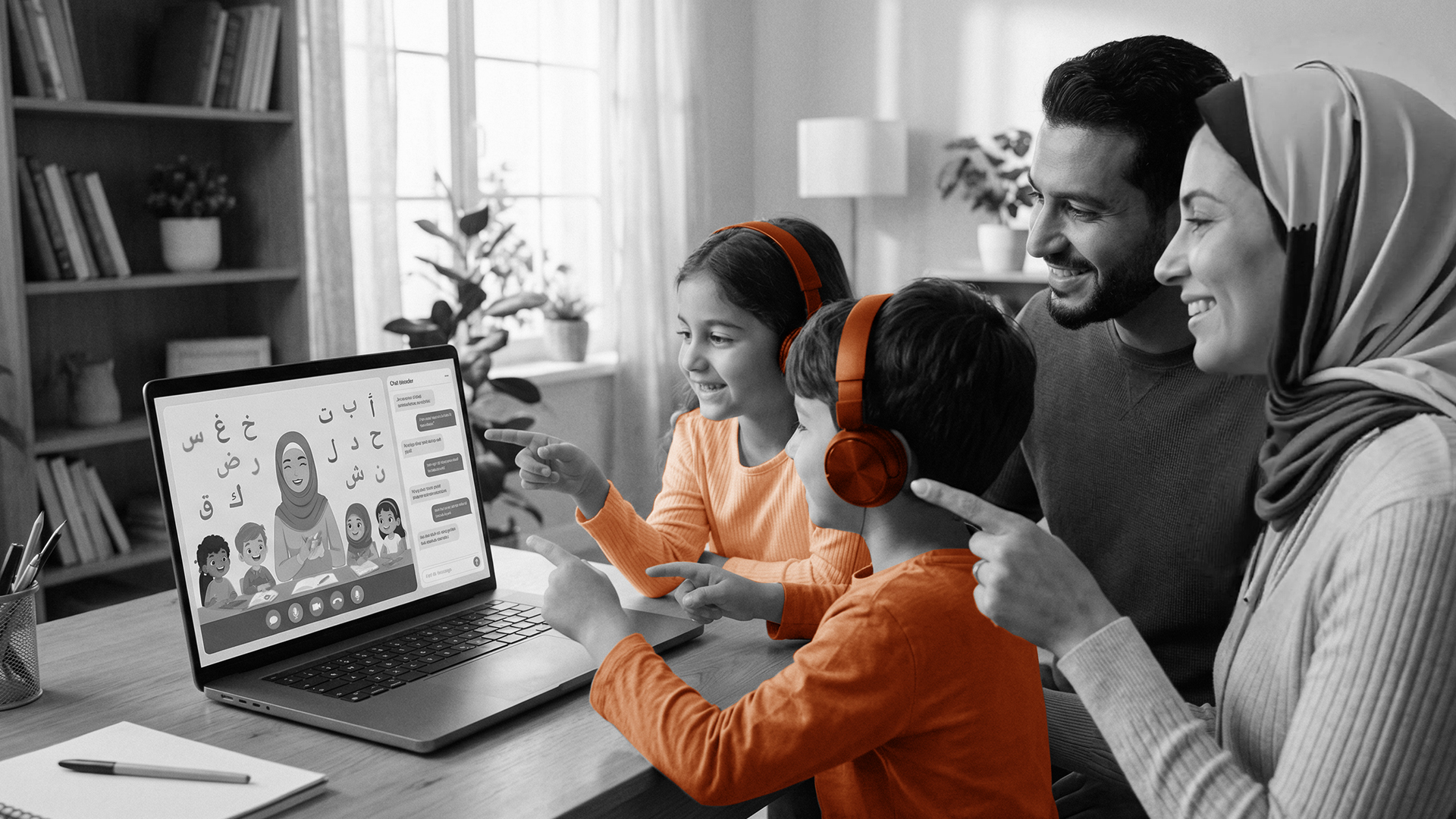
Tanzeel Insights (1): Using Games in Online Qur’an Classes
This article explores everything Qur’an teachers need to know to keep their classes engaging and interactive.

Using Games in Online Qur’an Classes:
In this series of articles, we share Tanzeel's insights on teaching the Qur’an to non-Arabic speakers online.
This article explores everything Qur’an teachers need to know about using games in the classroom to keep their classes engaging and interactive.
Why is it important to use games in Qur’an classes?!
Using games in Qur'an classes might seem a bit strange for some people, especially those who embrace a classical view of teaching and learning the Qur’an. However, using interactive games in the Qur’an classes generally and online Qur’an classes specifically is even more important than using them in other educational contexts. This is because learning the Qur’an needs to be connected with everyday life activities, and it needs to be internalized and personalized for learners through simple as well as funny activities. Moreover, using games in Qur’an classes facilitates communication and interaction between teachers and students, creating an interactive and funny atmosphere which helps change viewing learning the Qur’an as something rigid and strict. And lastly, using games helps motivate students and encourages them to learn and focus on their learning outcomes subconsciously. The idea of competition and scoring the highest points are wonderful motivational factor for young students.
Is it just for young students?!
There is a general misconception that games are just for children or young learners. Actually, games are a wonderful teaching aid and tool for adult students. We all have a genuine interest in engaging in amusing activities in our free time; therefore, incorporating games into Qur’an classes can be a useful technique to keep learners energetic and their minds fresh. Adults come to classes with their problems, pressures, and distractions; they need to connect with the Qur’an in a stress-free space. Using games in the classroom helps in providing relaxation and gaining concentration during class. Moreover, it breaks any rigidity or boredom that might happen and enhances interaction and personal ties between teachers and students.

Which Resources and when to use them?
Teachers are advised to use suitable games based on student age, student level, student learning style, and the learning outcomes. There is a wide variety of games that can be used during classes, and in this regard, teachers should use clear, objective, and creative games that they can create from scratch or access through open internet resources.
Games can be used in every stage of the Qur’an class. Games can be best used as icebreakers and warmers at this point; they help energize the students and prepare them for the upcoming activities. Similarly, games can be used for an interesting and varied revision. Even during teaching Tajweed and Tafseer, using games can be a wonderful teaching aid to keep the students focused and attentive during the class.
How can teachers have access to such educational games?
As we have just said, teachers can either have access to ready-to-use resources or create their own games. The following websites offer a wide variety of games that can be used in Qur’an classes:
www.myislam.org/islamic-quizzes-games/
All of these resources offer engaging games about the Qur’an, Tajweed, Tafseer, Fiqh, as well as general Islamic information. The game link can be easily shared with students.
On the other hand, teachers can create their own games. Many websites use AI-assisted tools to help teachers design customized games using their own questions. Teachers can build the game up from scratch according to the required learning goals they want to test. Websites like Educaplay.com, Websim.ai, Blooket.com, and wordwall.net offer the best opportunities for teacher to create such educational resources. Teachers should attend intensive workshops about how to design such resources. That is why in Tanzeel, we have organized workshops to train teachers on creating and designing engaging games for our students.

Frequently Asked Questions
- Why use games in Qur’an classes?
Games connect Qur’an learning to everyday life, personalize it through fun activities, boost teacher-student interaction, reduce rigidity, and motivate via competition—especially vital online. - How do games help students focus?
They create an interactive, funny atmosphere that subconsciously encourages focus on outcomes, energizes minds, and counters boredom or distractions.
- Are games only for children?
No, adults benefit too—games provide relaxation amid daily pressures, refresh concentration, break rigidity, and strengthen personal ties with teachers. - How to adapt games for different ages?
Match games to age, level, learning style, and goals; young students love competition, while adults need stress-free engagement.
- When should games be used in class?
As icebreakers/warmers to energize, for varied revision, or during Tajweed/Tafseer teaching to maintain attention across all stages. - What types of games work best?
Clear, objective, creative ones—either teacher-made or from open resources—tailored to outcomes like quizzes on Qur’an, Tajweed, or Tafseer.
- Where to find ready Qur’an games?
Try myislam.org/islamic-quizzes-games, islam4kids.org/games, or quranicquizzes.com for engaging quizzes on Qur’an topics; share links easily with students. - How to create custom games?
Use AI tools on Educaplay.com, Websim.ai, Blooket.com, or Wordwall.net to build games from your questions; Tanzeel offers workshops for training.
- What training do teachers need?
Attend workshops like Tanzeel's on game design to create resources aligned with learning goals for non-Arabic speakers.
By/ Dr. Ahmed Aly Zahran



%201.png)