


Learning the Qur’an: The Online Model (Challenges and Solutions 2.2)
This article continues to examine the challenges faced in teaching and learning the Qur’an in the post-AI era.
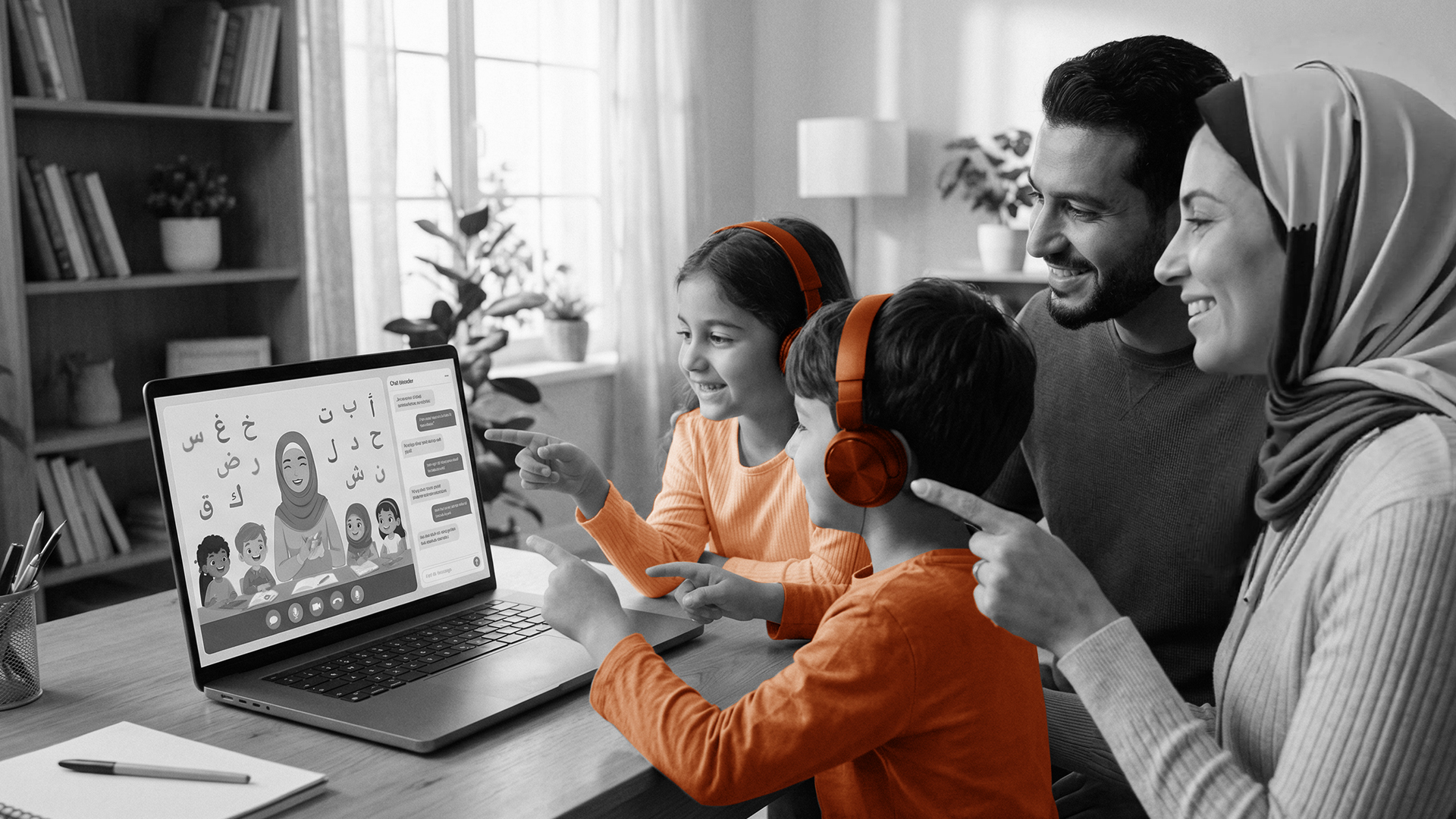
This article continues to examine the challenges faced in teaching and learning the Qur’an in the post-AI era. The challenges discussed below are mainly related to the changing personality and attitude of today’s students, as well as the limitations of the online teaching platform.
Why am I here?
This is not a philosophical question! One of the main challenges teachers face with today’s Quran students, especially children, is that many students are forced by their parents to attend Quran classes. The main issue is that this step marks the end of the parents’ role in the learning process, as they rarely provide real support or follow-up for their children afterward. This raises a question about the essential role of family support in helping students maintain a genuine connection with the Quran. As a result, it’s no surprise that students lack motivation to learn and don’t enjoy their work. It’s also understandable that students find the classes quite boring and monotonous. Today’s students need to have their goals set before them to achieve. In this regard, Quran institutes must rethink their mission and vision considering these implications.
Gen Z and Alpha: we are no longer the same students you are used to!
On the other hand, the post-AI era generation has different learning expectations and learning needs. Today’s students are different and more challenging for teachers who have a different background. Teaching styles have to be sophisticated enough to encompass these differences. In this regard, Islamic curricula, as well as teaching content and styles, need to be revisited in light of this new context. Understanding the new character of today’s students is a must for responding to their learning needs and goals.

Online Platform Limitations: What are they?
In addition to the above challenges, there are the inevitable limitations of the online teaching environment, which have been rather serious after the current technological boom. In teaching, building a real connection and rapport between the teacher and the student is the main challenge, especially when there is no face-to-face interaction. Most teachers find it challenging to motivate their students and keep them engaged during the online classes. This is because these teachers do not understand that online classes can be more engaging and interactive than face-to-face ones. They do not have the technological capacity that allows them to seize the wonderful opportunities offered by the internet and AI tools. If teachers have the right training and knowledge, they can offer exceptional learning experiences for their students.
It is crystal clear, then, that these challenges stand in the way of maintaining an optimum learning experience of the Quran for students worldwide.

Frequently Asked Questions:
Why do many children lack motivation in Qur’an classes?
Many children attend Qur’an classes because their parents force them to, not because they chose to join or understand the purpose of learning. When parents stop active follow-up and support, students quickly lose motivation and see the class as a burden rather than a meaningful journey.
What is the role of parents in their children’s Qur’an learning?
Parents need to do more than just enroll their children; they should regularly encourage them, monitor progress, and connect lessons to daily life. Without this family support, children struggle to build a lasting personal relationship with the Qur’an.
How are Gen Z and Alpha students different from previous generations?
Gen Z and Alpha students have grown up in a digital, post-AI world, so they expect interactive, visually rich, and meaningful learning experiences. They find traditional, lecture-based methods boring and need teaching styles that respect their individuality and learning goals.
Why must Islamic curricula be revisited today?
Current Islamic curricula often assume older learning styles and classroom dynamics that no longer match students’ realities. Updating curricula helps address students’ changing expectations, learning needs, and the new challenges of the digital age.
What are the main limitations of online Qur’an teaching?
Online platforms make it harder to build strong personal rapport between teachers and students, especially without physical presence. Many teachers also lack the technical skills to use online tools creatively, so classes become passive and unengaging.
Can online Qur’an classes be more engaging than in-person ones?
Yes, if teachers are trained to use digital tools, online classes can be even more interactive through quizzes, games, breakout rooms, and AI-powered activities. With the right design, students can participate more, receive instant feedback, and enjoy a richer learning experience.
By/ Dr. Ahmed Aly Zahran




%201.png)


